Hey everyone! I’ve been completely obsessed with something lately, and I had to share it with you. Generative AI in the creative arts is blowing my mind right now. We’re talking about a world where your favorite novels, paintings, or music could be made by humans working alongside AI. And honestly? We’re basically already there. If this isn’t on your radar yet, you’re missing out on something huge.
What’s All the Fuss About?
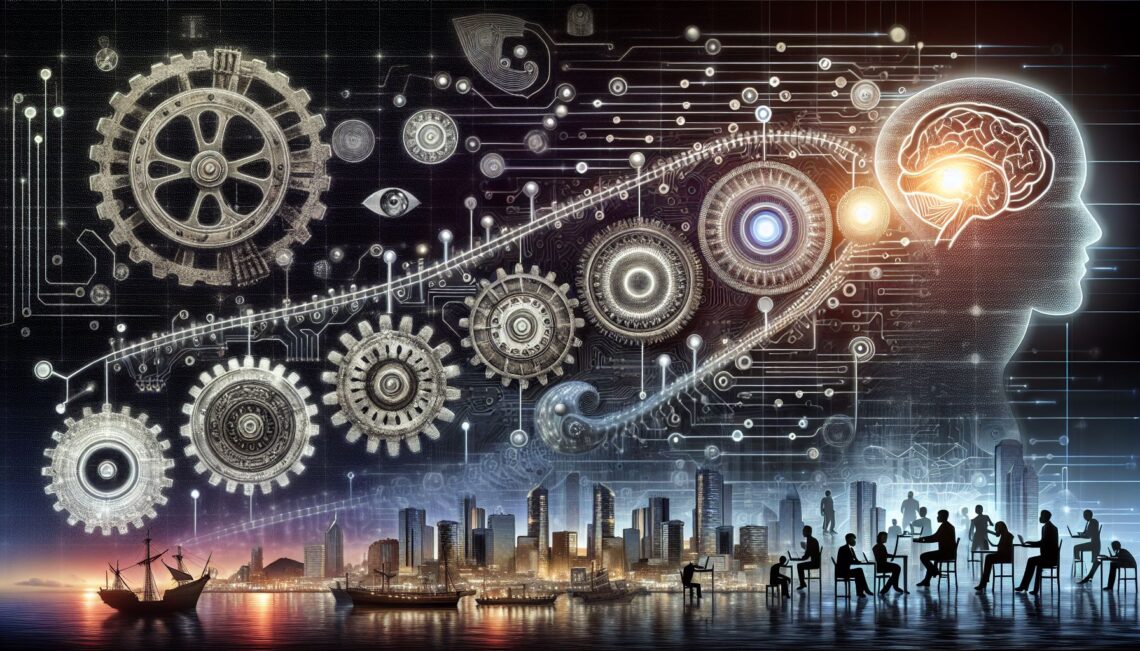
Look, Generative AI isn’t just another tech buzzword that sounds impressive at dinner parties. It’s actually changing how we create things. These algorithms can write poetry that gives you chills, compose music that gets stuck in your head, and generate art so good it might make Leonardo da Vinci do a double-take. And before you start picturing some robot apocalypse scenario, relax. This is about working together, not getting replaced.
I like to think of Generative AI as just another tool in the creative toolbox. Remember when people freaked out about Photoshop? Or when video editing software first came out? Even the humble typewriter caused a stir back in the day. Now Generative AI is becoming that next essential tool that creators are picking up.
The Magic Behind the Curtain: How Does It Work?
Okay, let’s get nerdy for a minute. The whole thing runs on machine learning and neural networks. The two big players are Generative Adversarial Networks (GANs) and Transformer models. Don’t worry if that sounds like gibberish, I’ll explain.
GANs are pretty clever. Think of them as two networks having a creative argument. One creates new stuff (the artist), and the other judges whether it’s any good (the critic). They keep going back and forth until the artist gets good enough to fool the critic completely. Transformers, like OpenAI’s GPT models, are incredible with language. They can write text that sounds so human it’s almost spooky. Put these technologies together, and you get some seriously impressive creative output.
Real-World Applications: Beyond Sci-Fi Dreams
Painting a New World
I’ve been following artists like Refik Anadol who use GANs to create these incredible visual projections. Picture entire walls that become living, moving art pieces. These aren’t your standard museum displays hanging in frames. They’re constantly shifting, digital artworks that seem to have a life of their own. It’s like walking into a fantasy novel where art actually moves and breathes.
AI Composers: Reinventing Music
The music side of this is wild. Artists like Taryn Southern have already released entire albums created with AI collaboration. They’re mixing AI-generated compositions with their own style, and some of these tracks are actually hitting the charts. I can’t help but wonder what Beethoven would think about jamming with an algorithm. Probably would’ve loved the creative possibilities, honestly.
Writing the Next Bestseller?
Then there’s writing. Could an AI help write the next Harry Potter? I mean, human creativity and emotional storytelling still can’t be beat, but AI is getting scary good at churning out content fast. J.K. Rowling probably isn’t losing sleep over this yet, but AI is already helping writers brainstorm ideas and develop plots. It’s like having a really smart writing partner who never gets tired.
The Implications: Embrace or Be Replaced?
Here’s where things get complicated. Yeah, this stuff is amazing, but it raises some serious questions. Who owns the copyright when a machine helps create a bestselling song or painting? How do we define originality when AI is involved? These aren’t easy questions, and honestly, we’re still figuring it out as we go.
I get why some people are worried about being replaced. Traditional artists wonder if AI will make human-created art less valuable. Others worry that we’ll lose something essential about creativity, that human “soul” that makes art meaningful in the first place. These concerns aren’t wrong, they’re just part of a bigger conversation we need to have.
Gazing Into the Crystal Ball: What’s Next?
The future possibilities here are mind-bending. Imagine AI designing virtual reality worlds based on your thoughts, or creating personalized soundtracks that match your mood in real-time. This isn’t science fiction anymore, it’s the direction we’re actually heading.
As this technology gets better, it’s also getting easier to use. Soon, it won’t just be for professionals with fancy equipment. Anyone who wants to create something will have access to these tools. Picture a global platform where artists from everywhere collaborate with AI to make things we’ve never seen before. Kind of reminds me of how blockchain democratized certain technologies.
Wrapping Up: An Invitation to Explore
Here’s the thing: we’re not wondering if Generative AI will change creative arts anymore. It already has. The real question is how we use these tools to make our own creative work even better.
I’m telling you, jump in and start experimenting with this stuff. Whether you’re already creating professionally or just curious about what’s possible, there’s so much unexplored territory here. Maybe your next big creative breakthrough will come from mixing your imagination with some clever code.
Keep creating, keep experimenting, and don’t be afraid to try new things. If we can dream it up, AI might just help us build it. Now get out there and make something awesome!