If you’ve spent any time inside a large organization, you’ve probably lived through the same cycle. Leadership announces a shiny new Knowledge Management platform. A vendor gets picked after a drawn-out RFP. Content migration kicks off. Adoption campaigns launch. Eighteen months later, the system sits mostly unused. The search box serves up PDFs from 2016. The taxonomy has decayed into a junk drawer of tags. The most valuable knowledge still travels through email, Slack threads, and hallway conversations. I’m Rajiv Indrakanti. After years of engineering and system design work, I’ve watched this pattern repeat across industries. The failures aren’t random.…
-
-
Enterprise knowledge management systems have a dismal track record. Industry surveys consistently report failure rates between 50% and 70% for large-scale KM deployments. These are not isolated incidentsâthey form a repeating pattern that organizations reproduce with remarkable consistency. After studying these failures across manufacturing, financial services, and technology companies, I have identified a set of structural causes that explain why well-funded, executive-sponsored KM initiatives collapse, often within 18 months of launch. The Repeating Failure Pattern Most KM failures follow a predictable arc. The initiative begins with executive mandate, usually triggered by a specific crisisâa senior engineer retiring, a compliance audit…
-
Walk into any large organization and ask employees whether they can find the information they need to do their jobs. The answer, more often than not, is a frustrated “no.” This is not for lack of investment. Companies have spent billions deploying knowledge management platforms â from early intranets to modern wiki-based systems â only to watch adoption stagnate and content rot. The failure is not occasional; it is repetitive and predictable. The Stubborn Failure Rate Studies on enterprise knowledge management consistently report failure rates between 50% and 70%. A McKinsey Global Institute report noted that the average knowledge worker…
-
Organizations spend millions implementing knowledge management systems, only to watch them wither into digital ghost towns. The pattern is remarkably consistent: enthusiastic launch, gradual decline, and eventual abandonmentâfollowed by a new initiative that repeats the cycle. After studying dozens of these failures across engineering firms, technology companies, and consulting practices, clear structural problems emerge. These are not random accidents; they are predictable outcomes of specific design and implementation choices. The Repeating Failure Pattern Enterprise knowledge management (KM) systems fail at rates that would be unacceptable in almost any other business function. Various studies place the failure rate between 50% and…
-
The Signals That Matter Have Already Shifted Let’s be direct. Google confirmed back in 2021 that Core Web Vitals were part of their ranking algorithm. Five years later, people still treat this like it’s optional. It isn’t. Performance is now baked directly into your discoverability. Ignore it and you’re gambling with traffic you’ve already earned. Things shifted again in March 2024 when Google replaced First Input Delay with Interaction to Next Paint. That change wasn’t cosmetic. FID measured the delay before your browser started processing an interaction. INP measures the total time from interaction to visual feedback. It’s stricter. It’s…
-
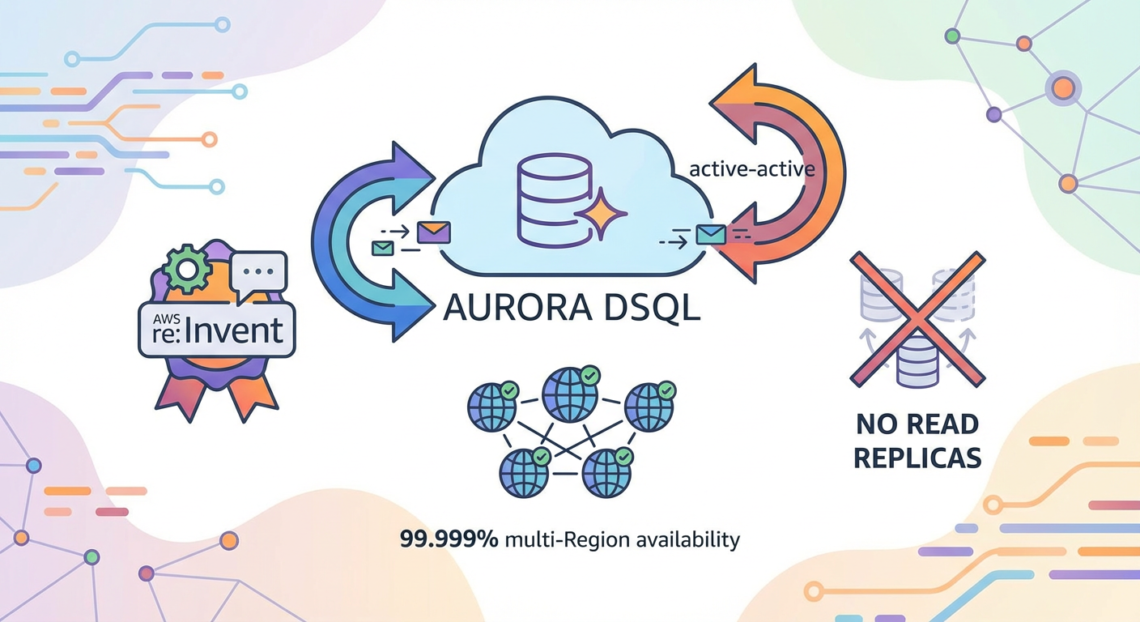
The Problem We’ve Been Ignoring For years, we’ve built around a fundamental constraint. Global applications needed consistency, but consistency across regions meant accepting latency or accepting eventual inconsistency. We picked our poison. Some teams went with eventual consistency and lived with the bugs that followed. Others pushed all writes to a primary region and accepted that every user on the other side of the world was working at a disadvantage. Both solutions felt like compromises because they were. Aurora DSQL and the Quiet Revolution in Distributed Databases: What Actually Works Now I spent enough years debugging replication lag issues and…
-
The Breach That Rewrote the Rules Late 2024 brought news that most infrastructure engineers already suspected was coming. The FBI and CISA confirmed what operational security teams had been quietly investigating for months: Chinese state-sponsored actors had maintained access inside at least nine major US telecommunications carriers for over a year. AT&T, Verizon, and others found themselves compromised in ways that exposed not just customer data, but the nervous system of American communications infrastructure itself. This wasn’t a ransomware smash-and-grab. This was patient, methodical access. The kind that lets adversaries listen. The kind that changes threat modeling forever once you…
-

The Quiet Revolution That Actually Happened Six months ago, I watched a Rust component call a Python function without touching a single line of FFI glue code. No shared memory dance. No serialization overhead. Just a clean interface boundary and things worked. That moment stuck with me because I’ve spent enough years fighting language interop nightmares to know when something genuinely shifts. WebAssembly Components and WASI 0.2 Are Finally Production-Ready — Why This Is the Runtime Story Nobody Is Talking About Enough The Bytecode Alliance WASI 0.2 announcement in January 2024 wasn’t flashy. It didn’t trend on Twitter for three…
-

The Shift From Tool to Autonomous Actor GitHub Copilot’s Agent Mode changes the fundamental nature of what we’re reviewing. For years, AI coding assistants were line-completion tools. You prompted them. They suggested. You accepted or rejected. That was the contract. Agent Mode breaks that contract entirely. Why GitHub Copilot’s Agent Mode Is Forcing Senior Devs to Rethink Code Review Entirely Starting in early 2025, Copilot can now autonomously edit multiple files, execute terminal commands, and iterate on its own output without waiting for you to review between steps. It doesn’t just write a function anymore. It writes the function, refactors…
-
The Promise Is Real, And The Adoption Numbers Prove It Let me start with what matters: GitHub reported that over 77,000 organizations had adopted Copilot Workspace by late 2025. That’s not a small number. These aren’t startups experimenting in a sandbox. These are enterprises with existing codebases, compliance requirements, and incident response teams. They’re moving fast on agentic coding because the productivity gains are genuine. The tool completes an average of 3.2 multi-file edits per session, which means it’s not just autocompleting your variable names anymore. It’s restructuring entire systems based on your prompts. I’ve spent enough time around enterprise…
-
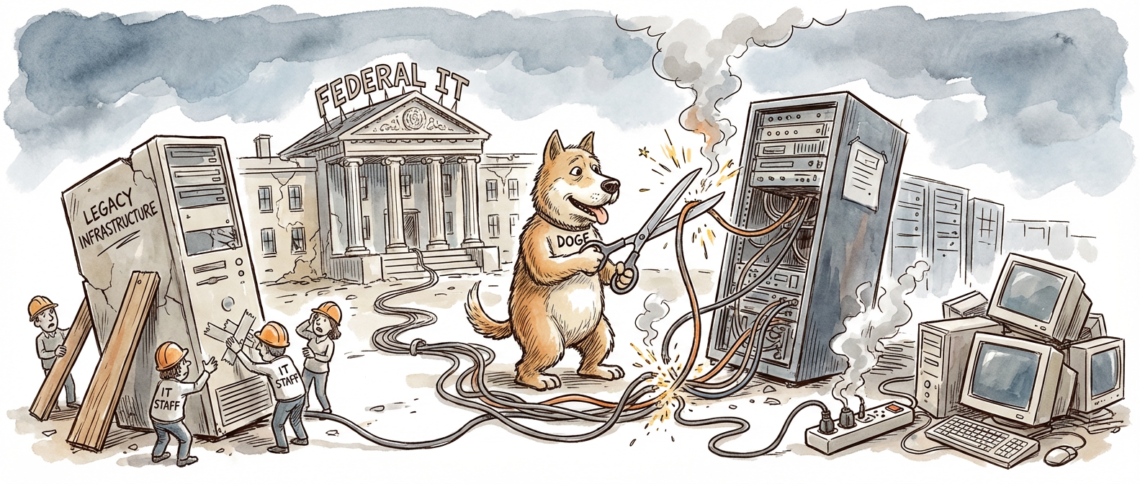
The Surgeon’s Scalpel Meets the Sledgehammer I’ve spent enough time watching government IT initiatives collapse to recognize the warning signs. When you start cutting personnel and contracts without understanding the systems they maintain, you’re not being efficient. You’re playing with fire in a warehouse full of gasoline. DOGE’s Federal IT Cuts Are a Masterclass in What Not to Do to Legacy Infrastructure The Department of Government Efficiency has been active through 2025 and into 2026, targeting agencies like the Social Security Administration, Treasury, and CISA. Thousands of IT and cybersecurity personnel have been let go. On paper, it looks decisive.…
-
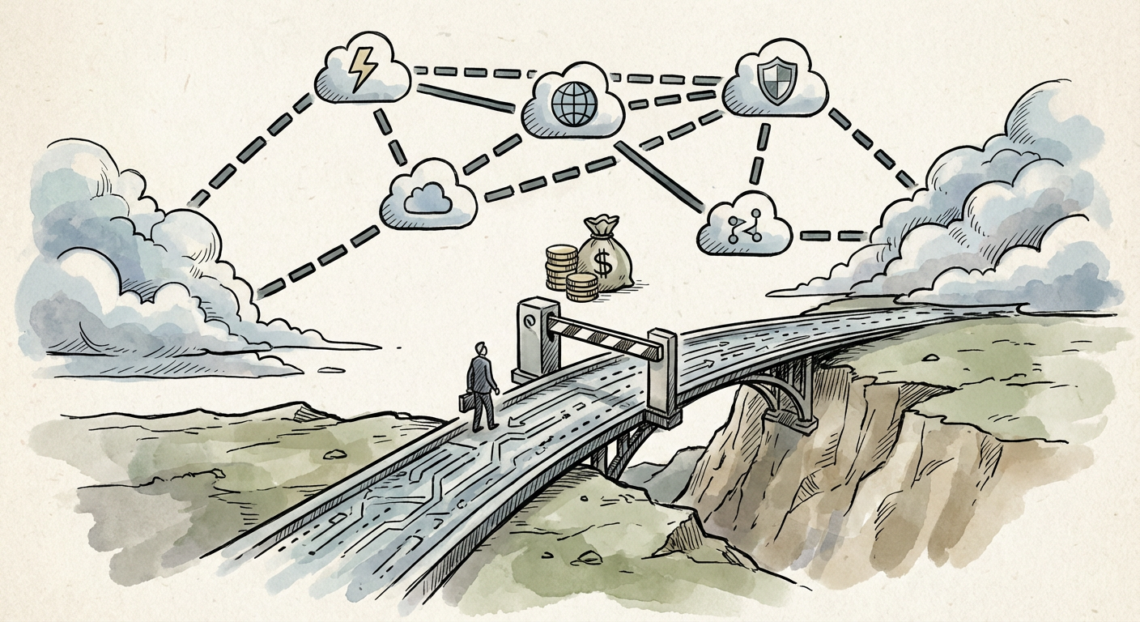
The Promise and the Problem AWS re:Invent 2025 delivered what we’ve come to expect: aggressive pricing announcements wrapped in competitive language. Amazon cut S3 rates further and struck new zero-egress deals with select CDN partners. On stage, it looked decisive. In practice, it’s more complicated. The Real Cost of Multi-Cloud in 2026: AWS re:Invent 2025 Promises vs. Actual Egress Bills Here’s what actually happened. AWS responded to Google Cloud and Azure pushing harder on their own pricing. Google announced their Cross-Cloud Network at Cloud Next 2025, positioning themselves as the interoperability play. Azure kept the pressure steady. So Amazon moved.…